
Sloping blocks are everywhere in Australia — and every gardener with one knows the drill: you mulch in autumn, a couple of decent downpours later there's a mulch drift at the bottom of the hill and bare soil at the top. Choosing the right mulch makes a big difference. So does knowing when mulch alone isn't enough.
1. Why slopes shed mulch
Three forces work against you: gravity (constant), water (every storm washes loose material downhill) and wind (hits elevated beds harder). The lighter and finer the mulch, the faster it goes.
2. Ranking common mulches for slopes
| Mulch | Slope performance | Notes |
|---|---|---|
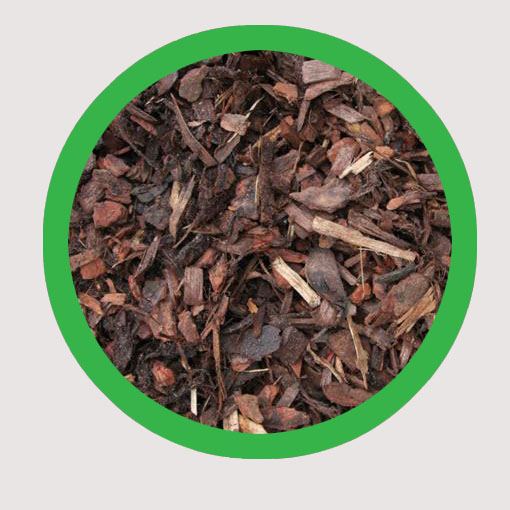
| Chunky wood chip | Best | Heavy pieces interlock; slowest to migrate |
| Pine bark | Good, with a catch | Chunky but buoyant — floats and washes in heavy rain |
| Tea tree | Moderate | Knits together but light; fine for gentle slopes |
| Fine mulch | Poor | Washes and blows readily on any gradient |
| Straw / sugar cane | Avoid on slopes | Excellent in flat veggie beds; gone in one storm on a hill |
3. Design tactics that help
- Terracing — even low timber or stone steps break one long slope into flat, mulch-holding beds.
- Edging along the downhill side catches migrating mulch.
- Dense planting — ground covers and tussock grasses slow water and pin mulch down.
4. Locking it down with a binder
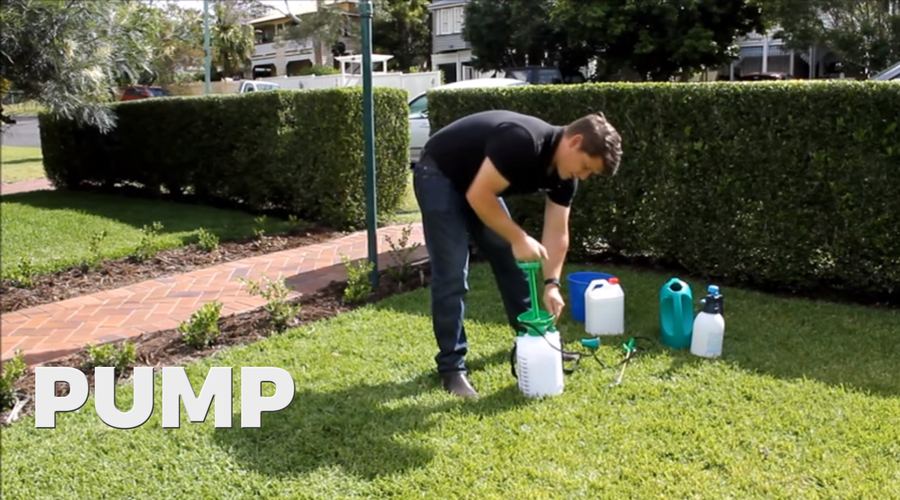
On anything steeper than a gentle fall, a sprayed mulch binder is the difference between re-mulching every season and topping up once a year. The slope-specific points:
- Steep ground needs a heavier application — budget on the lower end of coverage (around 5–7.5 m² per litre of concentrate for wood chip at 1:4 dilution).
- Spray until the mulch is completely saturated, working across the slope.
- Pick a dry window: the surface needs 24 hours protected from rain and irrigation to cure.
- Expect the hold to last up to 12 months depending on exposure — top up and re-spray as part of your annual mulch refresh.
How much would your garden need?
Enter your area and surface type — the calculator tells you the litres and bottle size, and where to find it in store.
Try the coverage calculator Where to buyThese are summary instructions and general guidance only — coverage rates are indicative and vary with substrate, porosity and technique. Always follow the full instructions before applying: download the Application Guide (PDF).