
If you've ever laid fresh mulch on a Friday and watched half of it end up on the lawn, the path or the neighbour's driveway by Sunday, you're not alone. Between coastal winds, spring storm season and the humble leaf blower, loose mulch doesn't stay put in most Australian gardens without a bit of help.
Here's what actually works — starting with the free stuff.
1. Start with the basics (they're free)
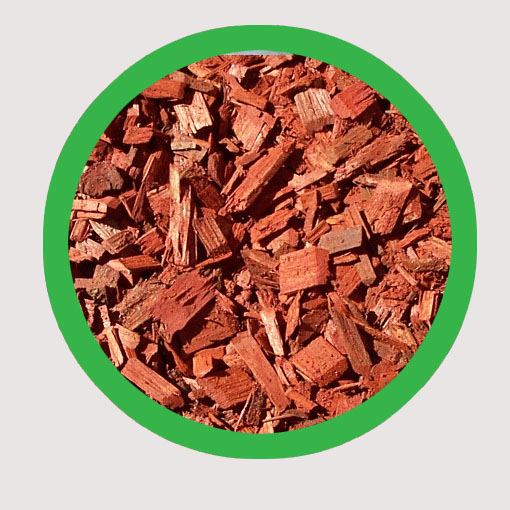
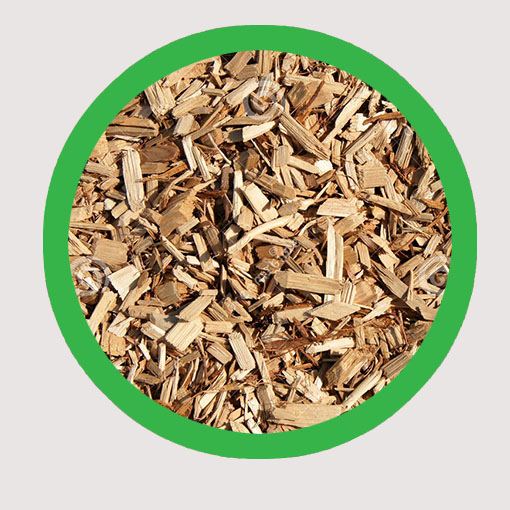
- Choose a heavier mulch. Chunky wood chip and pine bark resist wind far better than fine mulch, straw or sugar cane. If your garden cops a regular blow, start heavy.
- Water it in. A good soak after laying makes mulch heavier and helps the pieces knit together — at least until it dries out again.
- Instal edging. Timber, steel or brick borders stop mulch creeping onto paths and give wind less loose edge to lift.
- Plant ground covers. As they spread, they anchor the mulch around them.
2. Where the basics fall short
Watering only lasts until the mulch dries. Edging can't stop a 40 km/h gust or a storm downpour. And none of the free fixes survive a leaf blower — which is a problem, because a blower is the easiest way to keep mulched beds tidy.
That's where a mulch binder (often called mulch glue) comes in: a diluted adhesive sprayed over the surface that bonds the top layer of mulch together, while staying water permeable so rain and irrigation still reach the soil.
3. How to apply a mulch binder
Using Landscape Lock as the example — the process takes minutes for a typical bed:
- Pick your dilution. It varies by mulch type — see the table below.
- Mix in a garden pressure sprayer. Half the water first, then concentrate, then top up and shake.
- Pre-wet the area lightly with plain water — it helps the mix spread and penetrate.
- Wet down surrounding hard surfaces (paths, driveways, stepping stones) first, and rinse any overspray off immediately — it's hard to remove once dry.
- Spray until the mulch is completely saturated.
- Let it cure undisturbed for 24 hours, protected from rain and irrigation.
| Mulch type | Dilution (concentrate : water) | Coverage per litre of concentrate |
|---|---|---|
| Wood chip — flat to mild slope | 1 : 4 | 5–10 m² |
| Wood chip — steep slope | 1 : 4 | 5–7.5 m² |
| Pine bark & tea tree | 1 : 4 | 15 m² |
| Fine mulch | 1 : 5 | 18 m² |
| Straw & sugar cane | 1 : 6 | 24 m² |
| Leaves & garden debris | 1 : 6 | 24 m² |
4. What to expect — honestly
- Once cured, treated mulch handles wind, heavy rain and leaf blowers. One application typically holds for up to 12 months depending on exposure and traffic — re-apply when you top up your mulch.
- It dries clear, so the bed looks untouched.
- It's water permeable — your soil and plants still get every drop.
- It won't stop brush turkeys. A determined scrub turkey will dig through just about anything; a binder deals with wind, rain and blowers, not wildlife with a mission.
How much would your garden need?
Enter your area and surface type — the calculator tells you the litres and bottle size, and where to find it in store.
Try the coverage calculator Where to buyThese are summary instructions and general guidance only — coverage rates are indicative and vary with substrate, porosity and technique. Always follow the full instructions before applying: download the Application Guide (PDF).